Iraq
Fog elna khel
Iraq
Fog elna khel
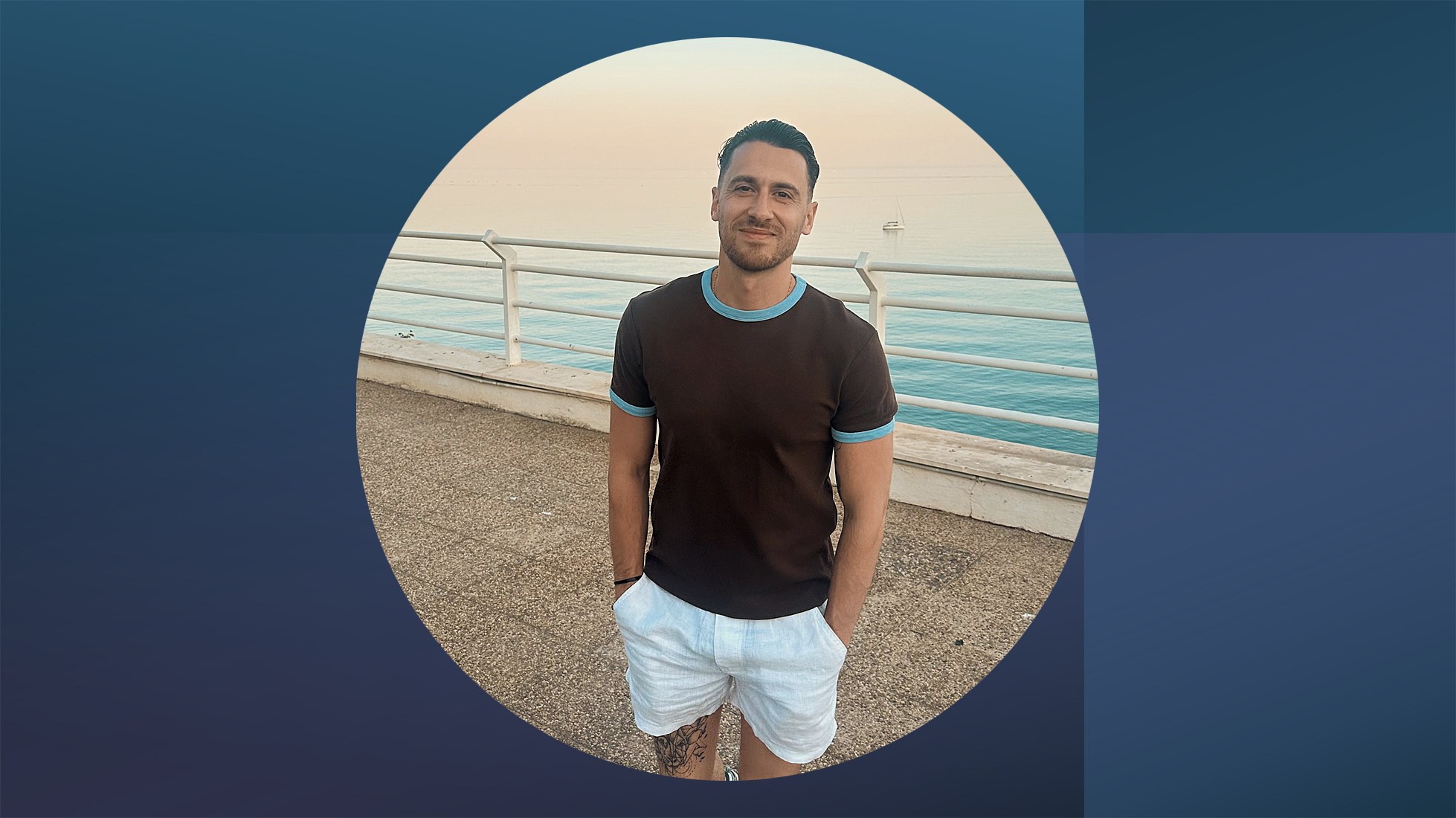
Fadi Esak
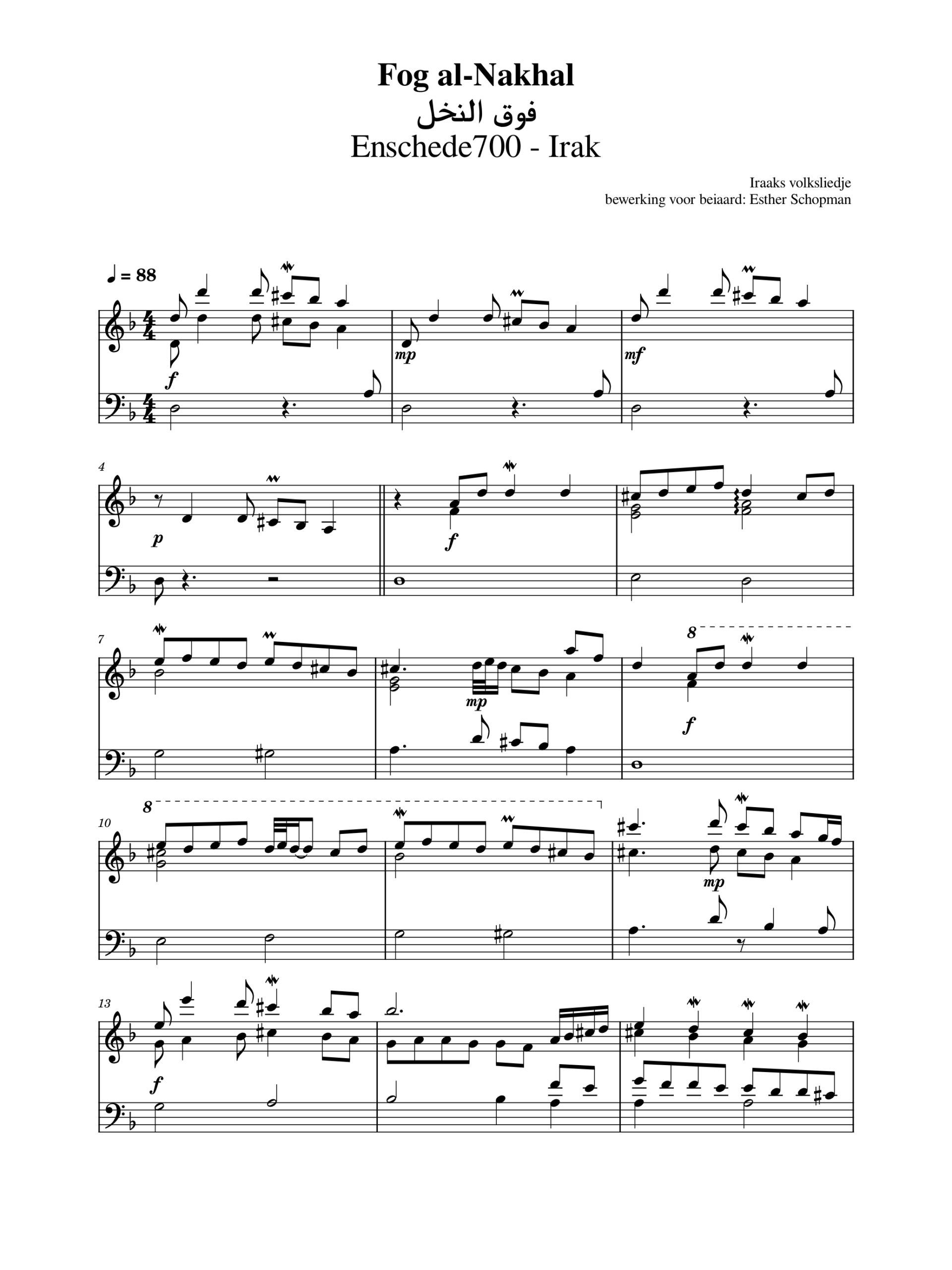
"Fog elna khel" (فوق النخل) is sung from the perspective of a lover gazing up at the moon and the night sky, lamenting unrequited love. The beloved is unreachable, as distant as the heavens above the palm trees. The verses evoke imagery of moonlight and a sleepless night of longing. The lyrics, attributed to poet Juburi al-Najjar, take the form of a muwwashshah: a traditional Arabic strophic song with a recurring refrain between stanzas. It is set in maqam Hijaz, a mode in Arabic music that conveys melancholy and yearning.
The song gained its iconic status through a recording by singer Nazem al-Ghazali, who, with arrangers Nazem Naim and Jamil Bashir, turned an existing folk melody into a radio classic. His version still defines virtually every later rendition. In Iraq, moreover, the title is woven into everyday speech: "above the palm tree" - a common cheerful reply to "How are you?" - making the song feel like the musical embodiment of a familiar phrase. The song also transcends confessional lines: Muslims, Christians and Jews all know it. At weddings and family gatherings it evokes nostalgia for old urban Baghdad, and among the Iraqi diaspora it serves as a bond between scattered communities.
Music always played a role at home. I know Arabic music mainly through my parents. I myself don't listen to it often, but precisely because of that, I find it remarkable how certain songs still stay with you. "Fog Elna Khel" is a beautiful example for me. Sometimes I don't even know exactly what's being sung, yet the song still instantly evokes a sense of familiarity.
That's perhaps what I find so wonderful about music. It transcends language. A song doesn't need to play daily or hold a personal memory to still mean something to you. The mere fact that a track feels familiar after all those years and brings you back to a feeling or a piece of your heritage says enough on its own. That a song can be decades old and still evoke that recognition shows just how powerful music can be.
My name is Fadi Esak. I am 31 years old and work as a financial advisor at a bank, as a columnist for Tubantia, and have also been an entrepreneur since the beginning of this year. I was born in Iraq and came to the Netherlands at the age of three. Although my life has largely unfolded here, my origins remain an essential part of who I am.
 English
  Nederlands